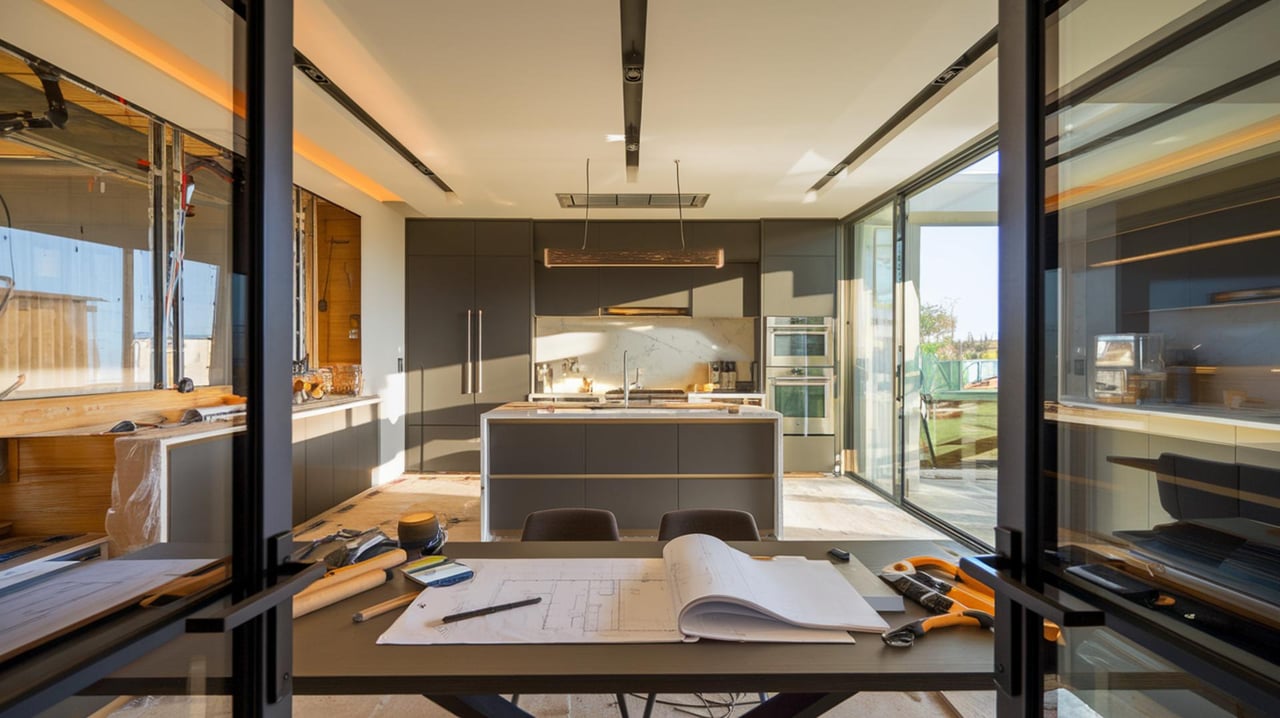
Home renovations are an exciting endeavor that can transform your living space and increase the value of your property. However, they often come with hidden costs that can catch homeowners off guard. Understanding these potential expenses is crucial for effective budgeting and planning. By being aware of these hidden costs, homeowners can avoid unpleasant surprises and ensure their renovation projects stay on track.
Permits and Inspections
One of the first hidden costs in home renovations is obtaining the necessary permits and inspections. Depending on the scope of your project, you may need permits for electrical work, plumbing, structural changes, or additions. These permits are essential for ensuring that your renovations comply with local building codes and regulations. The cost of permits can vary widely based on the complexity of the project and the specific requirements of your local government. Additionally, inspections may be required at various stages of the renovation to ensure compliance, adding to the overall cost.
Design and Planning Fees
Before any renovation begins, homeowners often work with architects or designers to create detailed plans. These professionals provide valuable expertise in optimizing space and ensuring that the design meets both aesthetic and functional needs. However, their services come at a cost. Design and planning fees can vary based on the complexity of the project and the level of customization required. It's important to factor in these fees when budgeting for your renovation, as they can represent a significant portion of the overall cost.
Structural Changes
When renovating older homes, structural changes may be necessary to accommodate new designs or to address existing issues. This can include reinforcing foundations, replacing beams, or updating load-bearing walls. Structural changes often require specialized labor and materials, which can quickly add to the cost of the renovation. It's essential to conduct a thorough assessment of the existing structure before beginning the project to identify any potential issues that may require attention.
Utility Upgrades
Renovations that involve updating kitchens or bathrooms often require utility upgrades. This can include new plumbing, electrical wiring, or HVAC systems to accommodate modern appliances and fixtures. Utility upgrades are crucial for ensuring the safety and efficiency of your home, but they can also be costly. It's important to work with licensed professionals to assess the current state of your utilities and determine what upgrades are necessary to support your renovation plans.
Unforeseen Repairs
During the renovation process, unforeseen issues such as mold, asbestos, or water damage may be discovered. These issues can pose health risks and must be addressed before the renovation can proceed. Unforeseen repairs can significantly increase the cost of a renovation project, as they often require specialized remediation services. Homeowners should set aside a contingency fund to cover these unexpected expenses, ensuring that the renovation can continue without major financial setbacks.
Material Costs
The cost of materials can fluctuate based on market conditions, availability, and the quality of products chosen. High-end finishes, custom cabinetry, and specialty materials can quickly increase the overall cost of a renovation. It's important to research and compare material options to find a balance between quality and cost. Additionally, ordering materials in advance can help avoid delays and potential price increases during the renovation process.
Labor Costs
Labor costs represent a significant portion of any renovation budget. Skilled labor, such as electricians, plumbers, and carpenters, is essential for ensuring that the work is completed to a high standard. However, labor costs can vary based on the complexity of the project and the experience of the professionals hired. It's important to obtain multiple quotes and verify the credentials of contractors to ensure that you're receiving fair pricing and quality workmanship.
Temporary Living Arrangements
For extensive renovations, homeowners may need to arrange temporary living accommodations. This can include renting an apartment, staying in a hotel, or living with family or friends. The cost of temporary housing can add up quickly, especially if the renovation takes longer than expected. Planning for these expenses in advance can help alleviate stress and ensure that you have a comfortable place to stay during the renovation process.
Waste Disposal
Renovations often generate a significant amount of waste, including old materials, debris, and packaging. Proper disposal of this waste is essential for maintaining a clean and safe work environment. Depending on the size of the project, homeowners may need to rent dumpsters or hire waste removal services. These costs can vary based on the volume of waste and the disposal requirements in your area. It's important to include waste disposal in your renovation budget to avoid unexpected expenses.
Post-Renovation Cleaning
Once the renovation is complete, a thorough cleaning is necessary to remove dust, debris, and construction residue. Post-renovation cleaning can be a time-consuming task, and many homeowners choose to hire professional cleaning services to ensure that their home is spotless and ready for use. The cost of post-renovation cleaning can vary based on the size of the project and the level of cleaning required. Including this expense in your budget can help ensure a smooth transition back into your newly renovated space.
Ready to Tackle Your Home Renovation?
Understanding the hidden costs in home renovations can save you from unexpected surprises and help you plan better. By being aware of these potential expenses, you can make informed decisions and keep your project on track. If you're planning a renovation and need expert advice, don't hesitate to reach out. Contact Signature Premier Properties, Inc. to get personalized guidance and ensure your renovation journey is smooth and successful.